
Walking into a TCM centre for the first time
A stiff neck after weeks of laptop work, a lower back that grumbles every morning, or a friend who swears by a monthly session. Plenty of people in Malaysia end up at a traditional Chinese medicine centre for reasons like these, and the treatment menu can look confusing on the first visit. Tuina, acupuncture and cupping are often offered side by side, sometimes in the same appointment, yet they feel very different on the body.
This guide explains what each one involves, what the evidence does and does not say, and the questions worth asking before you lie down on the couch. It is general information, not a promise of results, and it does not replace advice from your doctor.
Tuina: hands on work with a method behind it
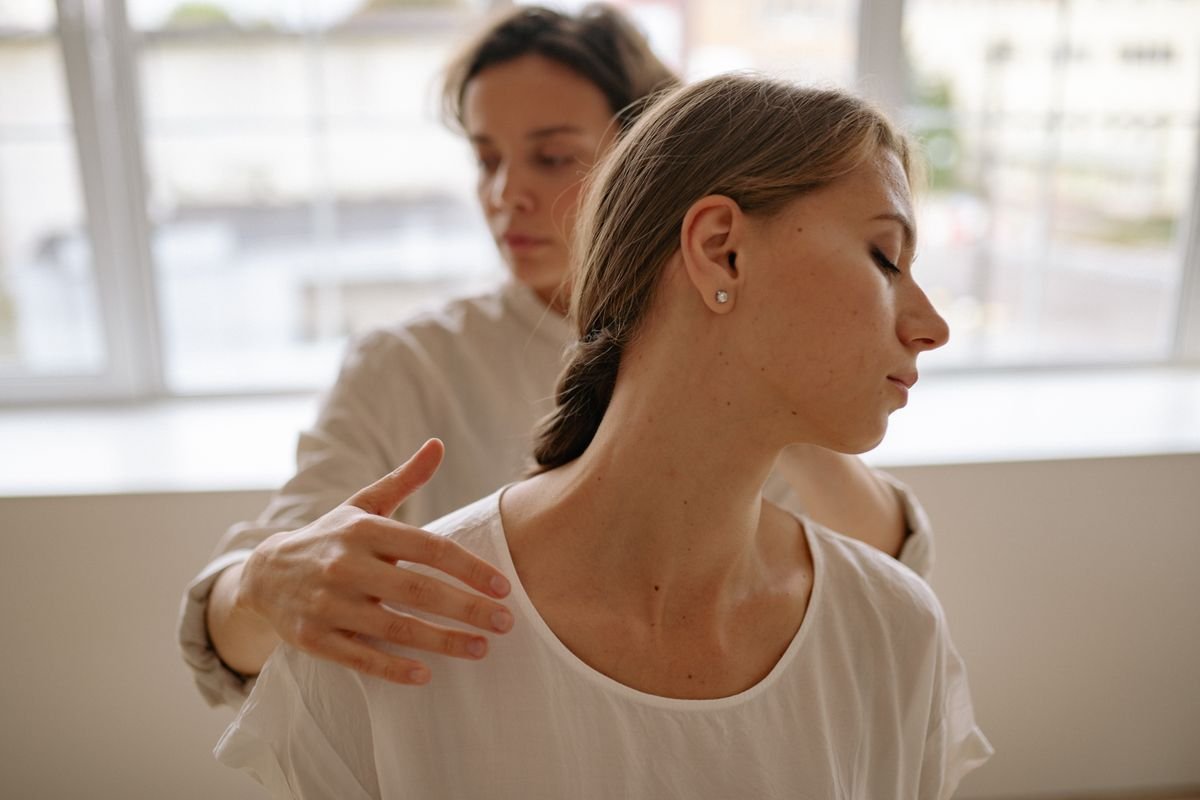
Tuina is the massage branch of TCM. A practitioner uses pushing, kneading, rolling, pressing and stretching techniques along muscles, joints and the points used in TCM theory. Compared with a spa massage, it tends to be firmer and more targeted, and you may stay partly clothed. Sessions often focus on one region, such as the neck and shoulders, rather than a full body routine.
If you want to know what to expect on the day, this outline of how a tuina session is usually structured covers the consultation, the techniques and who should hold off. That last part matters. Healthdirect’s overview of massage therapy lists situations where massage may not be suitable, including blood clots, osteoporosis, bleeding disorders, recent surgery and cancer treatment, and notes the risk of injury is higher with an unqualified therapist.
Tell the practitioner how firm is too firm. Some soreness the next day is normal for deep work. Sharp pain during the session is not something to push through.
Acupuncture: thin needles, sterile rules
In acupuncture, fine single use needles are placed at chosen points and usually left in for 15 to 30 minutes. The usual sensation is a deep, heavy pressure near the point, and most first timers say it hurts less than they feared. Practitioners may add gentle heat or a mild electrical current to some needles.
Research on acupuncture is mixed. It has been studied most for certain kinds of pain, with less clear results elsewhere. On safety, the US National Center for Complementary and Integrative Health summary of acupuncture effectiveness and safety says relatively few complications are reported, but that problems have come from nonsterile needles and poor technique. Watch for a fresh, sealed pack being opened for you. For a sense of what a local centre covers in a session, Xi TCM’s guidance on who should skip a session is a useful read before booking.
A short explainer from a TCM college on what tui na is and how practitioners use it.
Cupping: suction, marks and aftercare
Cupping uses glass, silicone or plastic cups to create suction on the skin, usually on the back. Traditional fire cupping heats the air inside a glass cup, while many clinics now use a hand pump. Some practitioners leave the cups in one spot; others slide them across skin coated with oil. Circular bruise like rings on the skin are normal and tend to clear within a week or so.
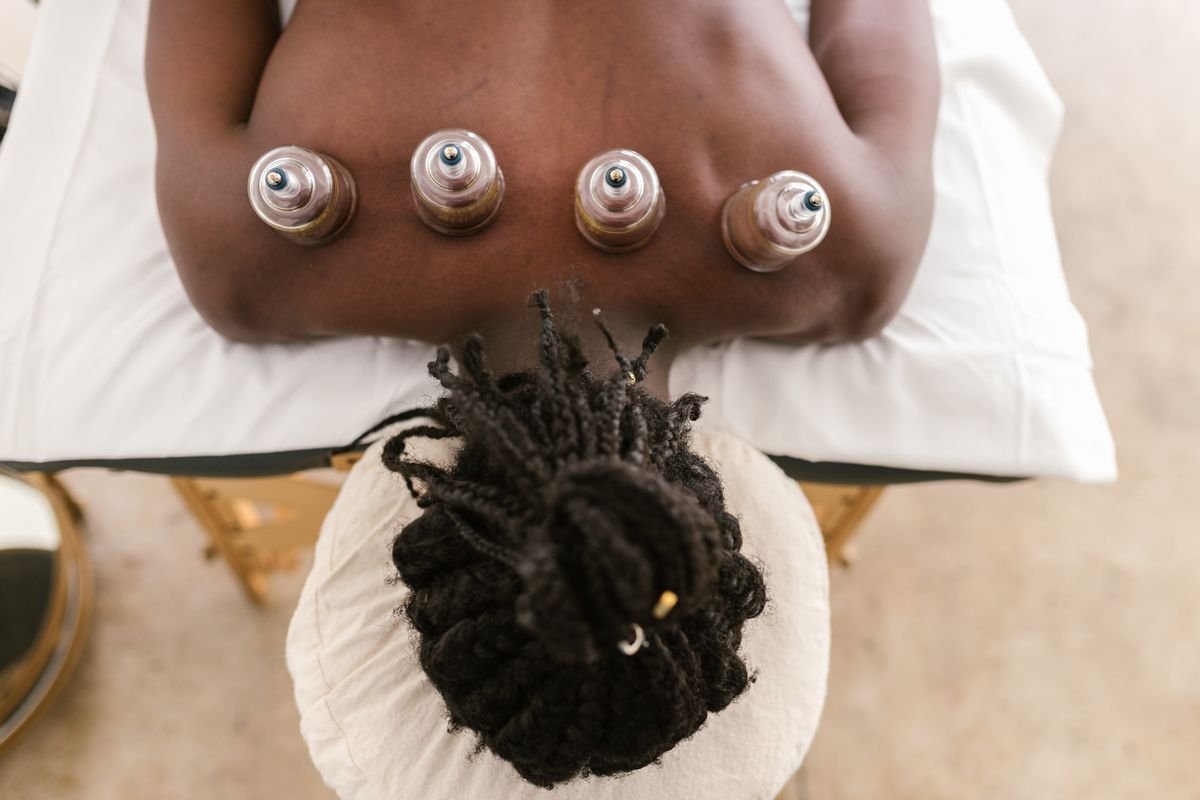
The NCCIH page on cupping research and safety describes the evidence as mostly low quality, and lists possible side effects such as lasting skin discolouration, burns and infections, along with flare ups of eczema or psoriasis. Keep the area covered and away from cold air conditioning for a few hours, drink water, and mention the marks if you see a doctor soon after. If you are curious how fire, flash and moving cupping differ, a clinic overview of fire, flash and moving cup techniques explains each one.
Questions to ask before your first session
Malaysia regulates this field. Under the Traditional and Complementary Medicine Act 2016, practitioners in recognised areas such as TCM must register with the T&CM Council, so it is fair to ask whether yours is registered. Mention any medication, especially blood thinners, plus pregnancy, skin conditions or recent injuries. Ask which therapy suits your complaint and why, and how many sessions they suggest before reviewing progress. A good practitioner will answer plainly and will tell you when something belongs with a doctor instead.